All work
Baloop Baloop

Turned field research into a support system for youth mentors under emotional strain

This project explored how design could support youth mentors facing burnout, emotional strain, and a growing loss of purpose during wartime. Through field research, action research, and concept testing, I designed Baloop, a reflective support system that helps mentors track meaningful progress, strengthen motivation, and build continuity around their work.

Social impact Action research Motivation design Graduation project
Bezalel Academy Graduation project · Bezalel Academy of Arts and Design
This project was researched and designed in Hebrew. The product UI is shown in its original language.

Meet Gal, a youth mentor at the center of this story, and see how Baloop turns reflection, feedback, and progress into a meaningful support system.

Watch time: 2:04

Context

Why I chose this project

I chose this project out of concern for the future of youth movements in Israel. I see them as a meaningful social force, especially in times of crisis, when young people need spaces for belonging, identity, and support more than ever. As the war continued, I became increasingly worried about the people holding these spaces together: youth mentors who were expected to create meaning and stability while struggling with burnout, frustration, and a growing loss of purpose.

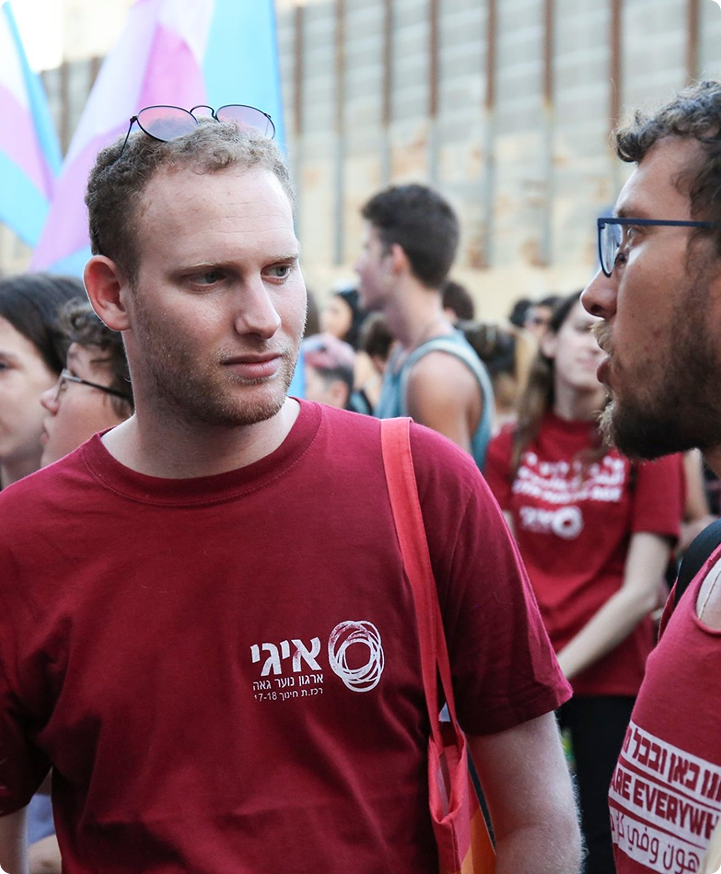
In my twenties, I worked as a youth mentor and coordinator at IGY, the Israeli LGBTQ youth organization. That experience stayed with me. Years later, as a UX designer, I returned to this world through my graduation project, wanting to understand what had changed for youth mentors on the ground and how design could help support them in a more meaningful way.
Why this mattered

Youth movements play an important social role, especially during periods of instability. But the people holding these spaces together are often asked to provide emotional structure, consistency, and meaning while receiving very little support themselves. What concerned me most was not only the pressure on young people, but what would happen if the mentors supporting them began to lose energy, confidence, and purpose.

This project started with a broader question: what happens to youth movements when the people expected to sustain them are themselves struggling?

Youth movement context

Personal images from my years as a mentor at IGY, the Israeli LGBTQ youth organization, the experience that shaped my connection to this world and eventually led to Baloop.

Research approach

How I studied the problem

I approached this as a research-led design project. Rather than jumping directly into an app concept, I wanted to understand what had changed for youth mentors on the ground, what kinds of tensions they were facing, and where existing systems were no longer supporting them well enough.

The research combined qualitative interviews, action research, and later a lightweight concept test. My goal was not only to identify pain points, but to understand what kind of support could genuinely strengthen mentors' sense of meaning, motivation, and agency.

1
Academic expert interview
2
Interviews with local youth department managers
4
Interviews with youth movement and organization coordinators
6
Youth mentors who participated in the action research
8
Youth mentors who took part in the prototype test
Research methodology overview

A visual framing of the literature review, mapping the theoretical foundations behind the project.

Research process and methods

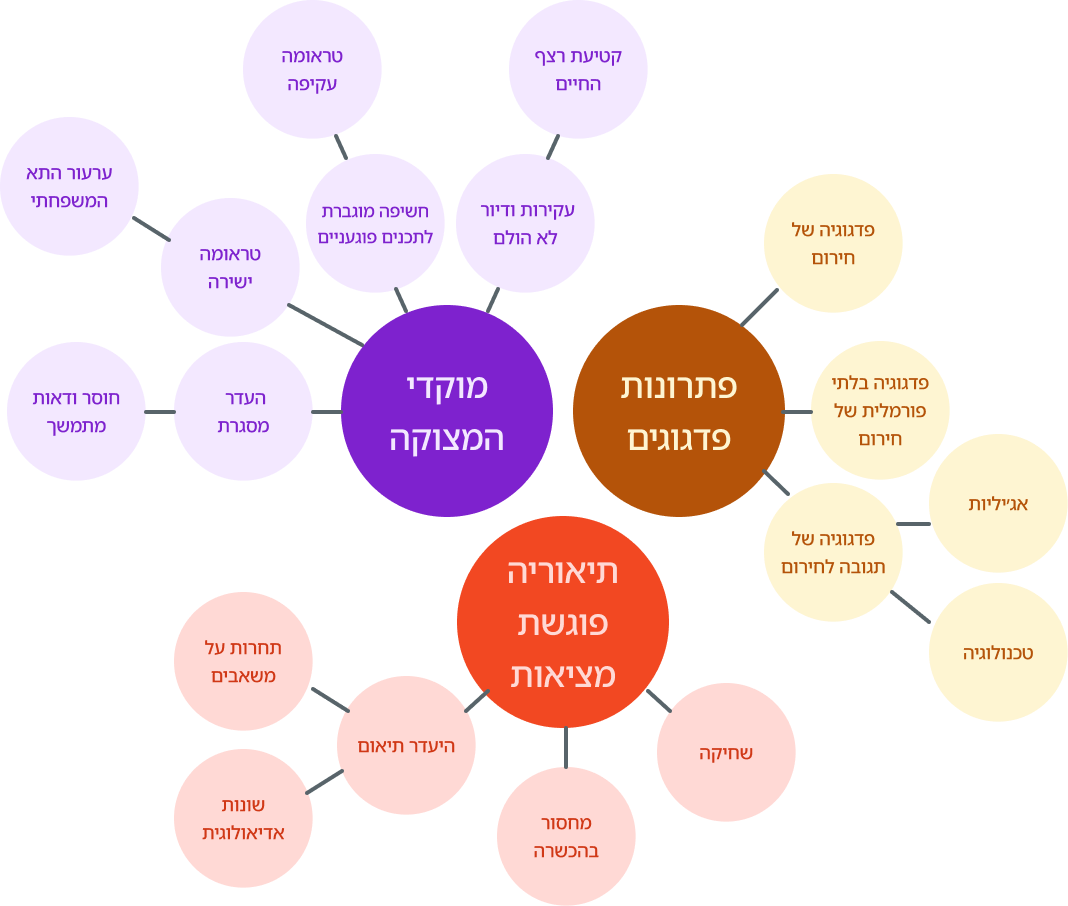
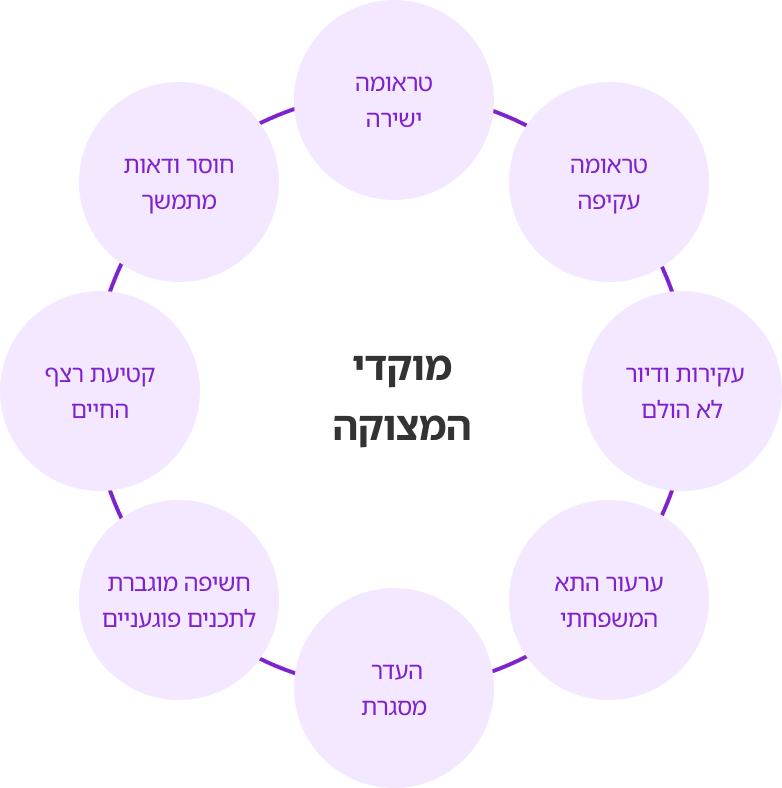
A summary of the main areas of distress, based on a report by Elem Youth-in-Distress.

Field research

The tools I built for field research

As part of the research, I created a set of visual tools to help youth mentors reflect on their routines, influences, and emotional shifts over time. These tools helped surface things that standard interviews alone might not have revealed.

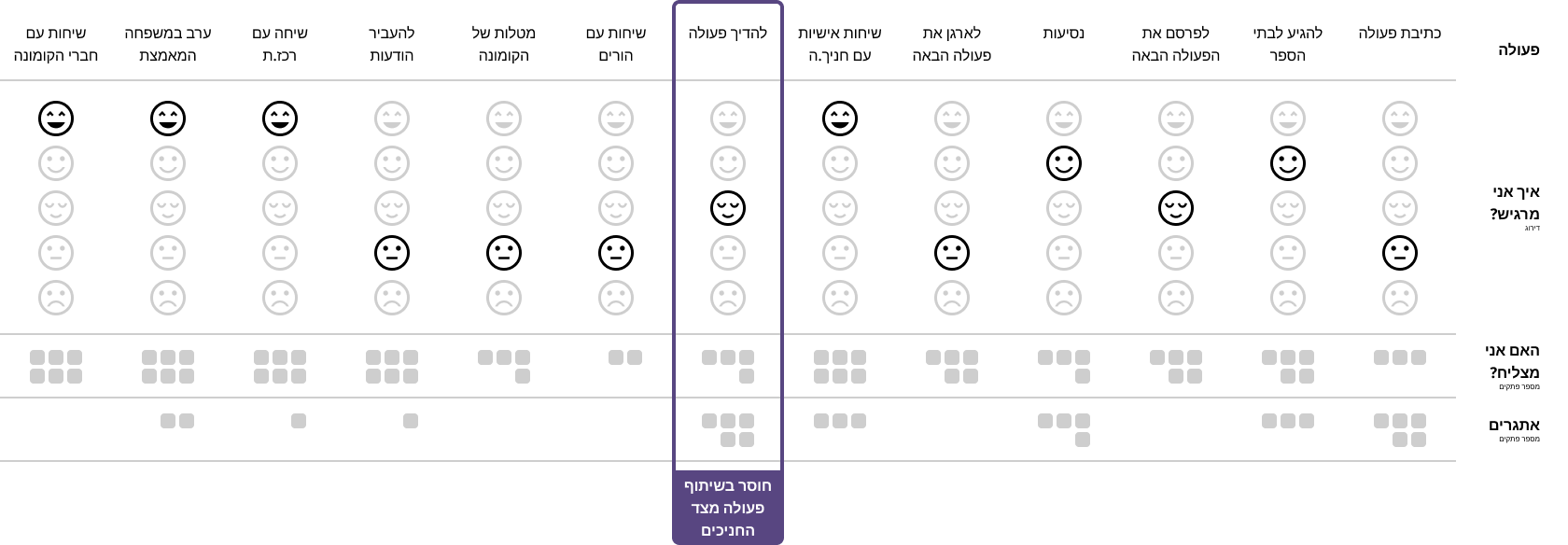
Tool 01, Journey mapping

Unpacking the day-to-day reality of mentoring

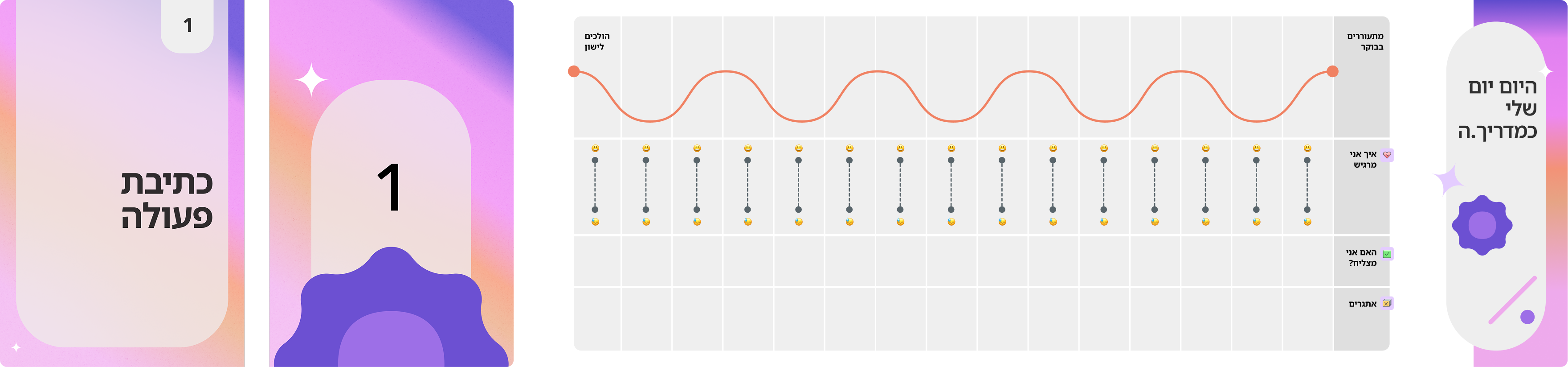
I created this tool to turn abstract stories into a concrete sequence of actions, emotions, and breakdown points. It helped identify moments of friction, pressure, and success across the mentoring week.

What it revealed: Mentors' emotional energy was most depleted in the transition between activities, the invisible planning and recovery time that felt unrecognized and unsupported. Peaks of meaning often came from unexpected, unplanned moments.

Journey mapping tool

A tool I designed specifically for the action research process.

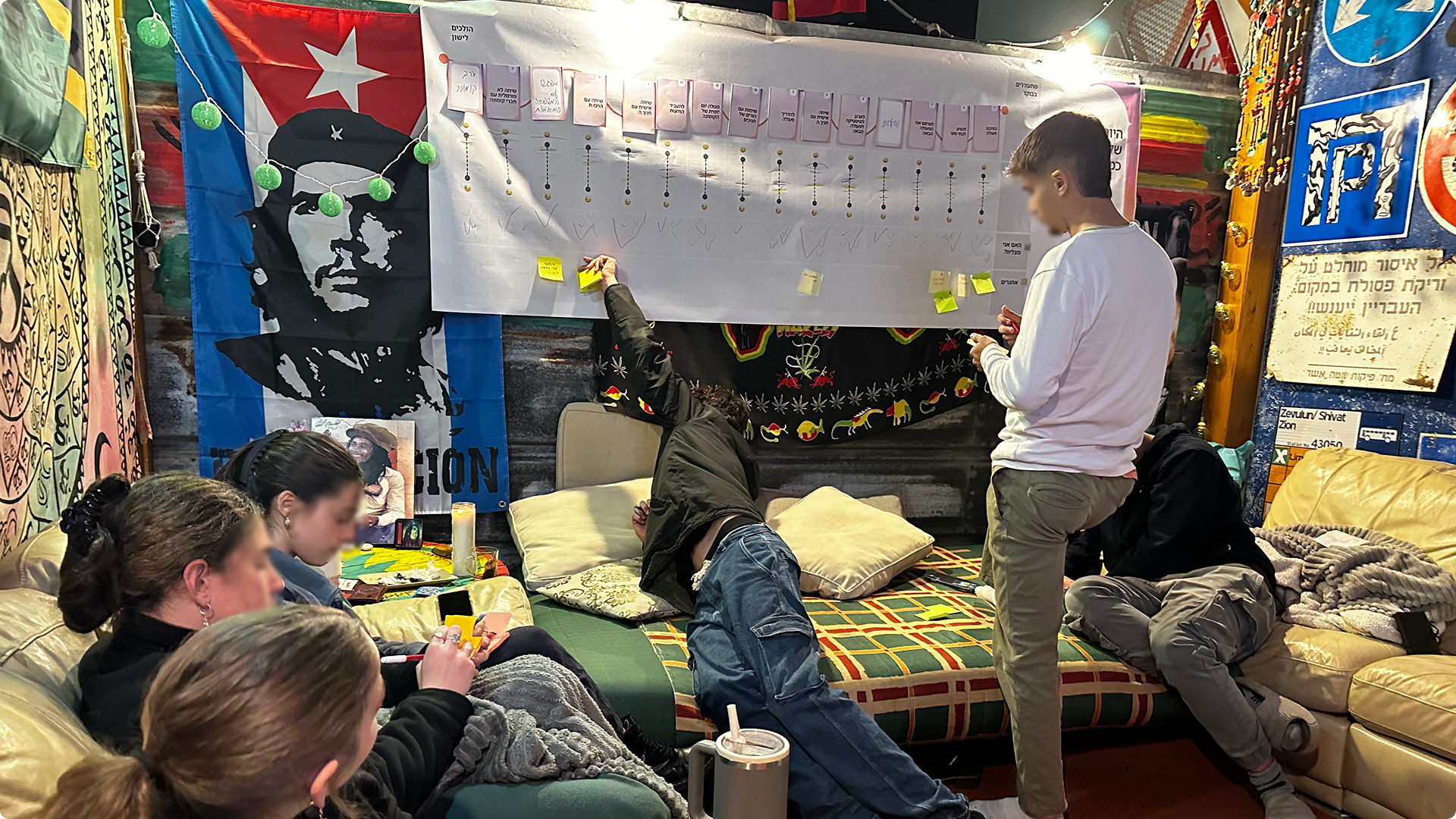
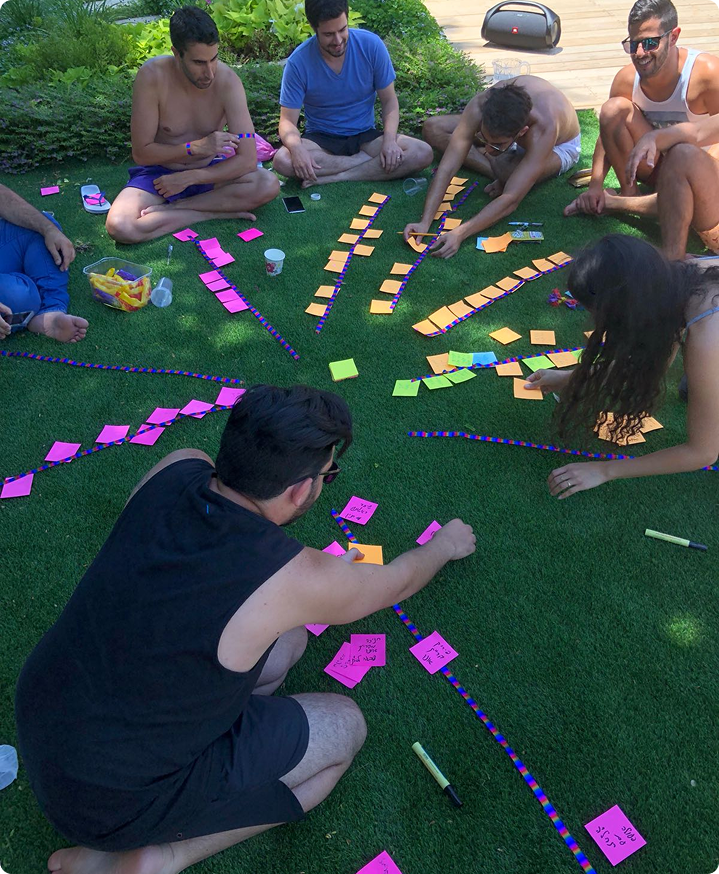
Journey mapping in action

Service-year youth mentors taking part in the action research.

Journey map analysis output

An analysis of the research tool and the patterns it revealed.

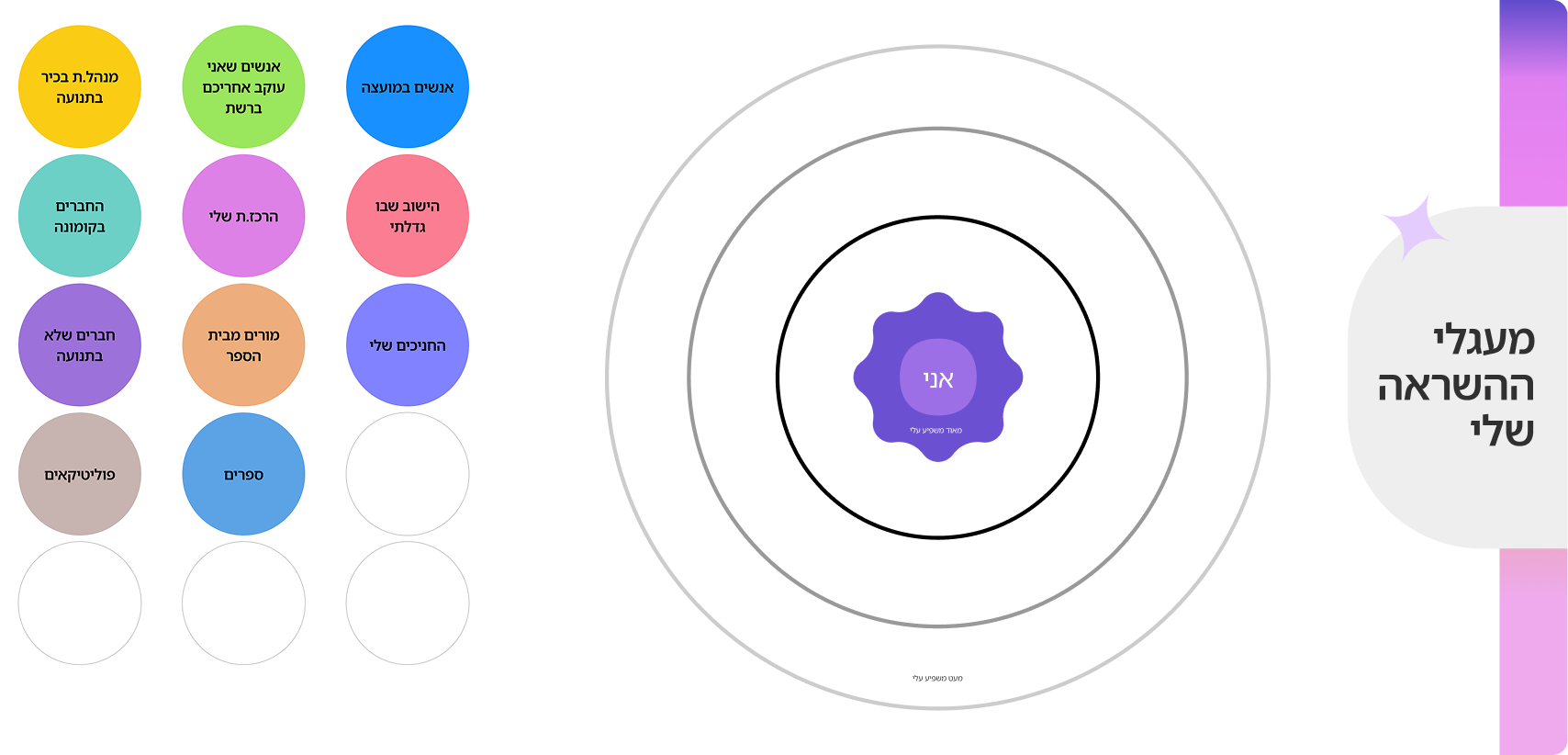
Tool 02, Inspiration circles

Surfacing where motivation actually came from

I used this tool to map the people, systems, and environments shaping mentors' motivation and resilience. It revealed where support was genuinely present and where it was conspicuously absent.

What it revealed: Most mentors drew energy primarily from peer relationships and shared experiences, not from formal organizational structures. Institutional support was often perceived as distant or procedural rather than human.

Inspiration circles tool

A tool I designed specifically for the action research process.

Service-year youth mentors taking part in the action research.

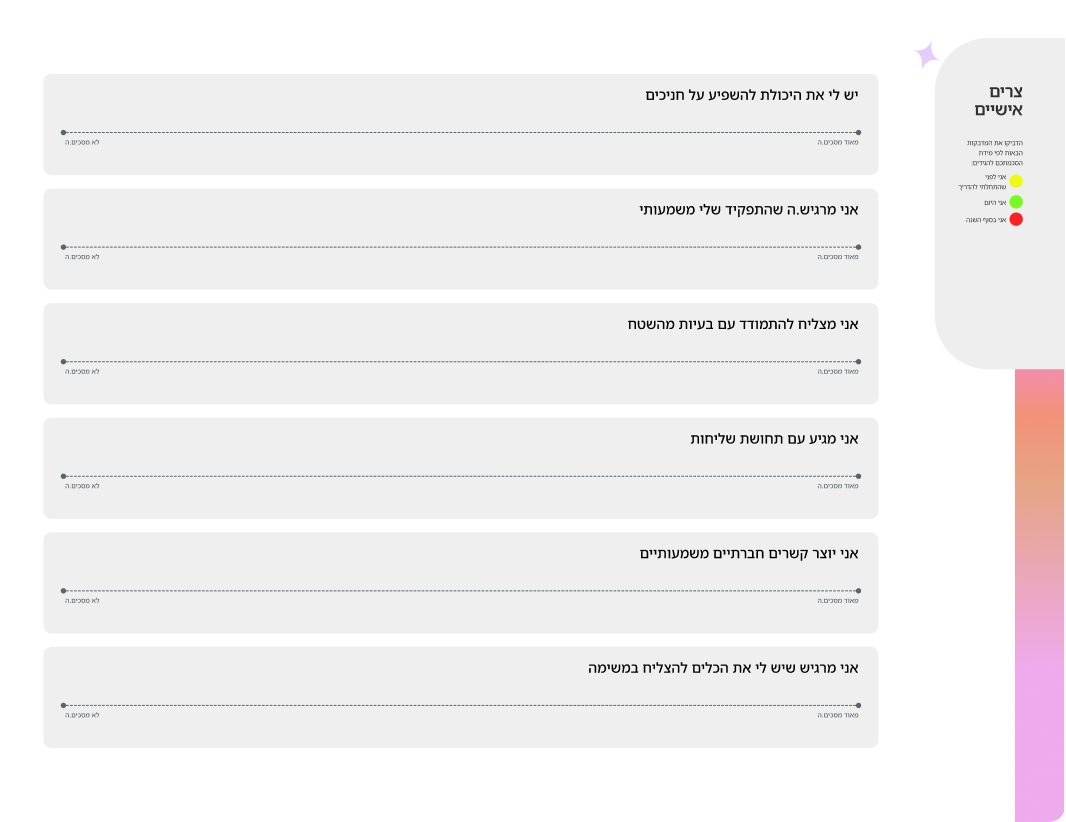
Tool 03, Personal axes

Mapping the gap between expectation and experience

This reflective tool helped map how expectations, present reality, and future hopes shifted over time. It was especially useful for understanding the emotional distance between why mentors joined and what they were experiencing in practice.

What it revealed: The gap was rarely about the work itself. It was about recognition. Mentors rarely saw evidence that their effort had made a difference, even when it had. This gap between effort and visible impact was a key driver of discouragement.

Personal axes tool

A tool I designed specifically for the action research process.

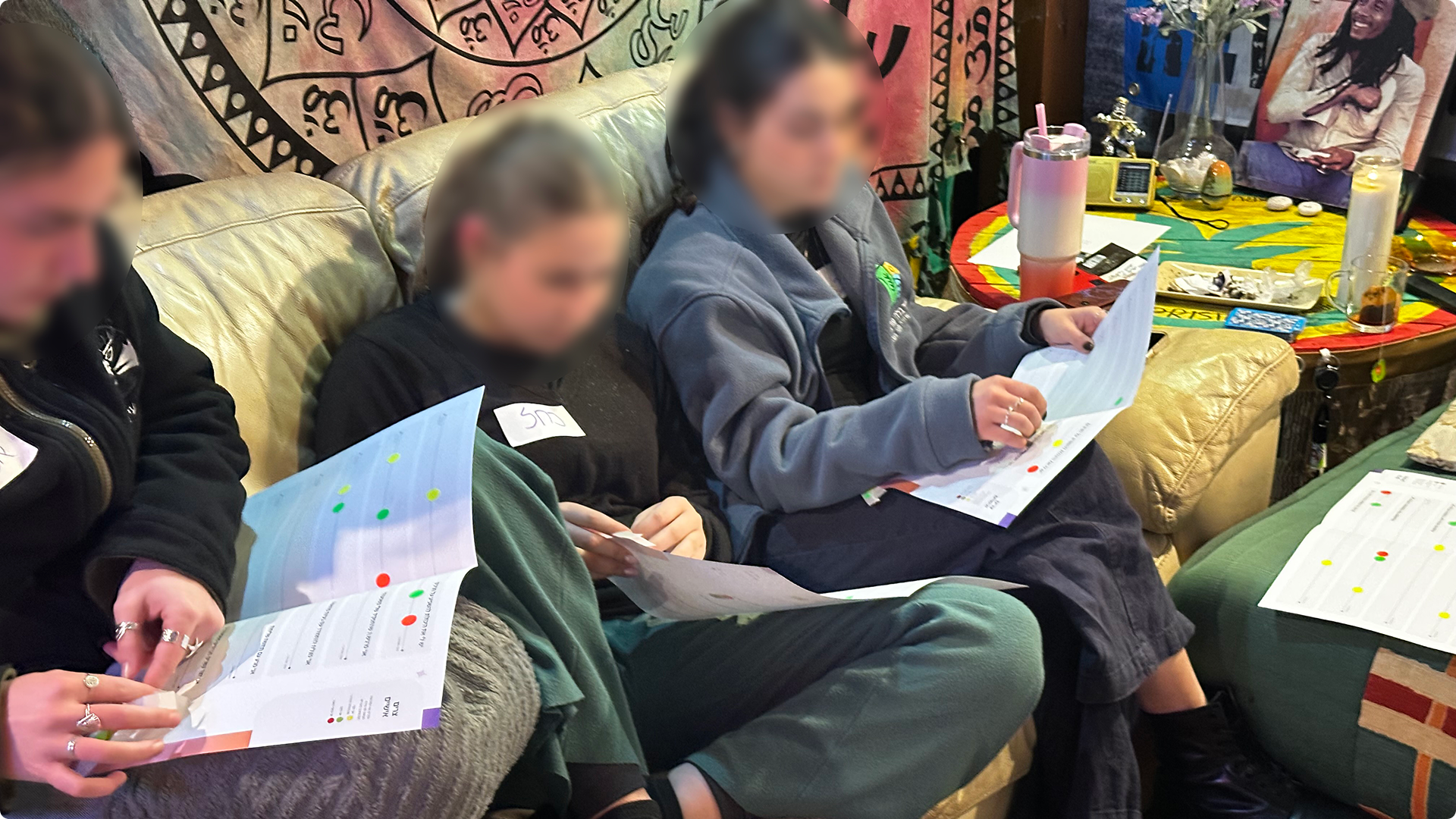
Personal axes in action

Service-year youth mentors taking part in the action research.

Key insights

What I learned through research

The research revealed a gap between the emotional weight placed on youth mentors and the tools available to support them. Two insights stood out as especially central, while the rest helped shape the solution around them.

Mentors were driven by a strong sense of purpose, but that same expectation of "being meaningful" often intensified burnout when reality did not match the ideal. Meaning was not only the reason they took on the role. It also became the standard they felt they were failing to meet.

field note

"Young people don't really want to be in youth movements anymore."

D., district coordinator

field note

"I feel like the teens are getting along without me and don't really need my help."

S., service-year participant

The research revealed a growing conflict between the educational values youth movements aim to promote and the more militant, fearful, or exclusionary attitudes that became more visible during the war. This left mentors navigating not only emotional strain, but also a difficult value-based tension inside the groups they were leading.

field note

"They're full of prejudice and racism. They're influenced by their surroundings, sometimes in ways that limit their ability to think outside the box."

M., regional youth training center manager

field note

"Kids are drawing weapons, or constantly wanting to make weapons out of plasticine. They want to shoot war films."

N., district coordinator

As the situation kept changing, educational content quickly became outdated. Coordinators were expected to stay agile and constantly rewrite materials, while mentors still struggled to find tools that felt relevant and usable in the field. The speed of response became exhausting in itself.

field note

"The content changed like five times. At first we built a syllabus, then realized it didn't fit and deleted everything."

A., district coordinator

field note

"At first we built a syllabus and told them to roll it out, then realized it didn't fit, deleted everything, and wrote it all over again."

A., service-year coordinator

Alongside the frustration and erosion of meaning, one stabilizing force appeared consistently in the research: close social ties. Mentors repeatedly described their immediate peer circles as the most meaningful source of support, understanding, and emotional resilience.

field note

"The war really deepened the mentors' connection to the place we're in. Something about being here together created a desire to unite."

N., district coordinator

field note

"The closest inspiration circle for me is my commune friends themselves. They understand the difficulties I'm going through the most."

V., service-year participant

Design direction

Turning insight into a design direction

The research made one thing clear: mentors did not only need better content. They needed a more reflective and supportive system, one that could help them notice progress, reconnect with meaningful moments, and feel more capable over time.

To shape that direction, I looked at motivation theory, especially frameworks around autonomy, competence, and relatedness. I was also interested in how lightweight feedback systems can make progress visible without becoming controlling. That helped me think about reflective measurement, not as surveillance, but as a way to strengthen motivation and recognition.

This led to a key design direction: a support tool that would help mentors track what matters, reflect on their work, and receive meaningful feedback over time.

From research
Invisible progress
Mentors couldn't see their impact accumulating. The work happened, but left no visible trace.
Theoretical lens
Competence & recognition
Self-determination theory: perceived competence sustains motivation when it's tied to real feedback loops.
Design principle
Make progress visible
The product should surface what's accumulating, meaningful moments, growth, consistency, so it can be felt.
From research
Reactive without structure
Mentors adapted to change constantly, but without intentional anchors to return to.
Theoretical lens
Autonomy & intention
Autonomy only strengthens motivation when paired with clear self-set goals to measure against.
Design principle
Build in reflection rituals
Create moments before and after activities to set intentions and record what happened, without adding bureaucracy.
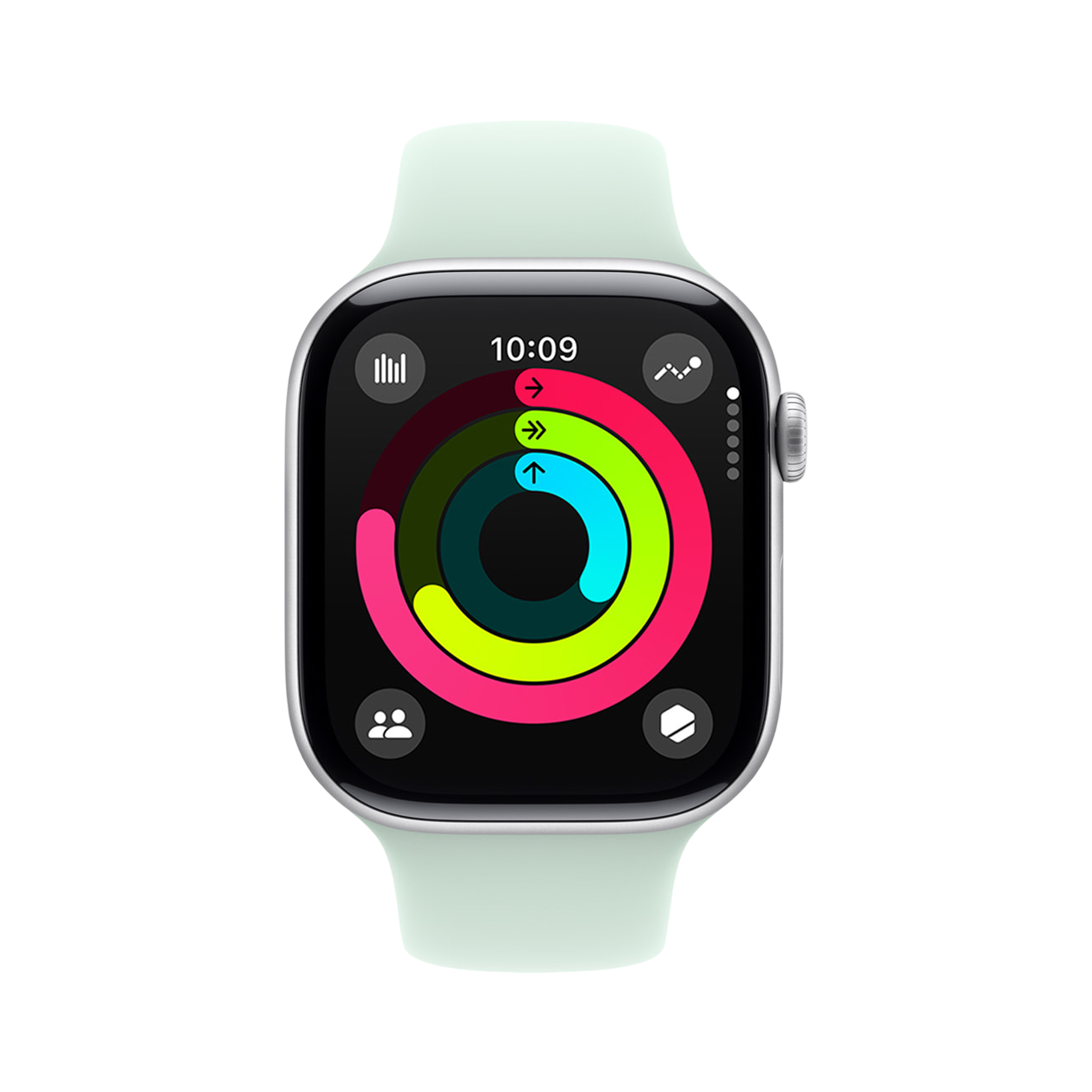
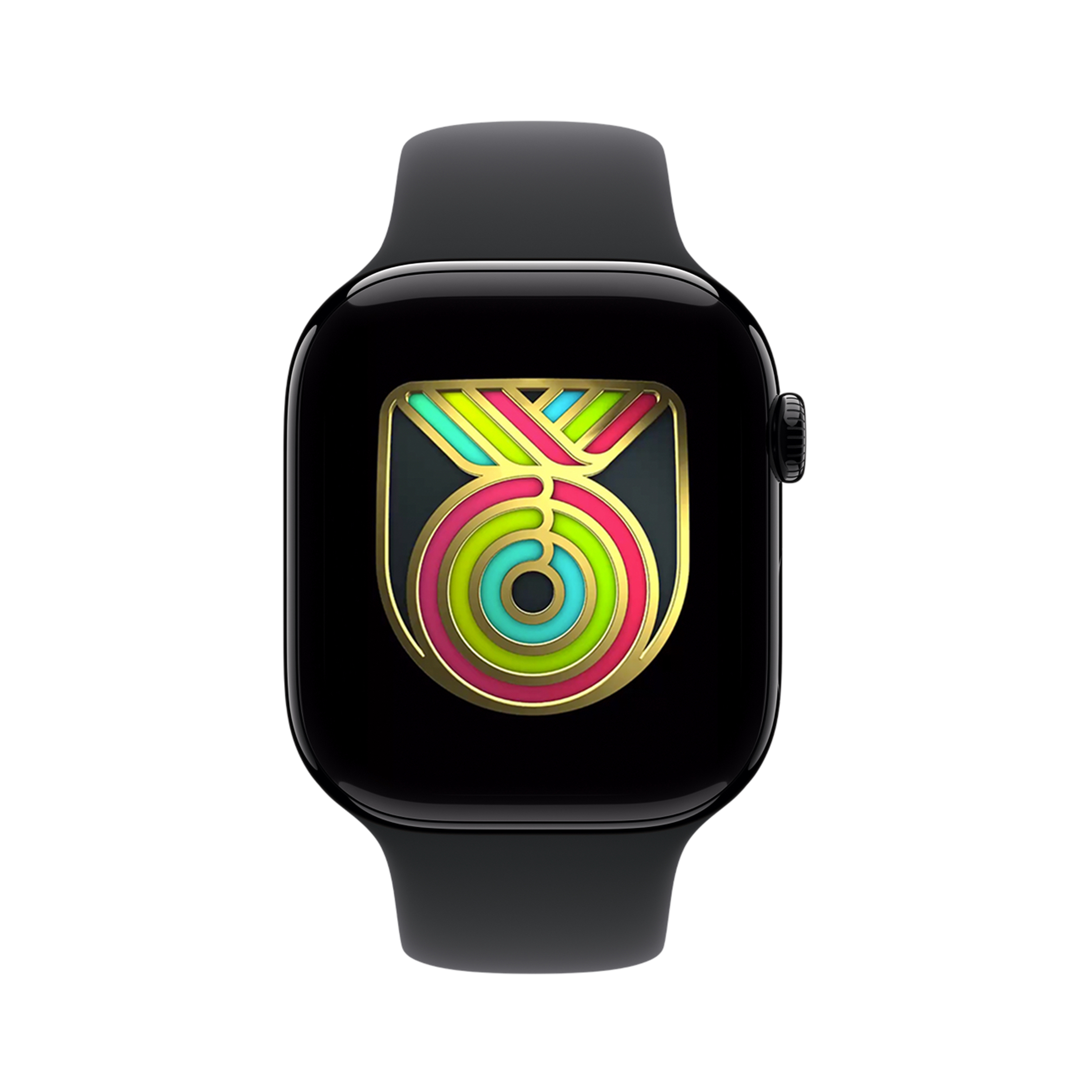
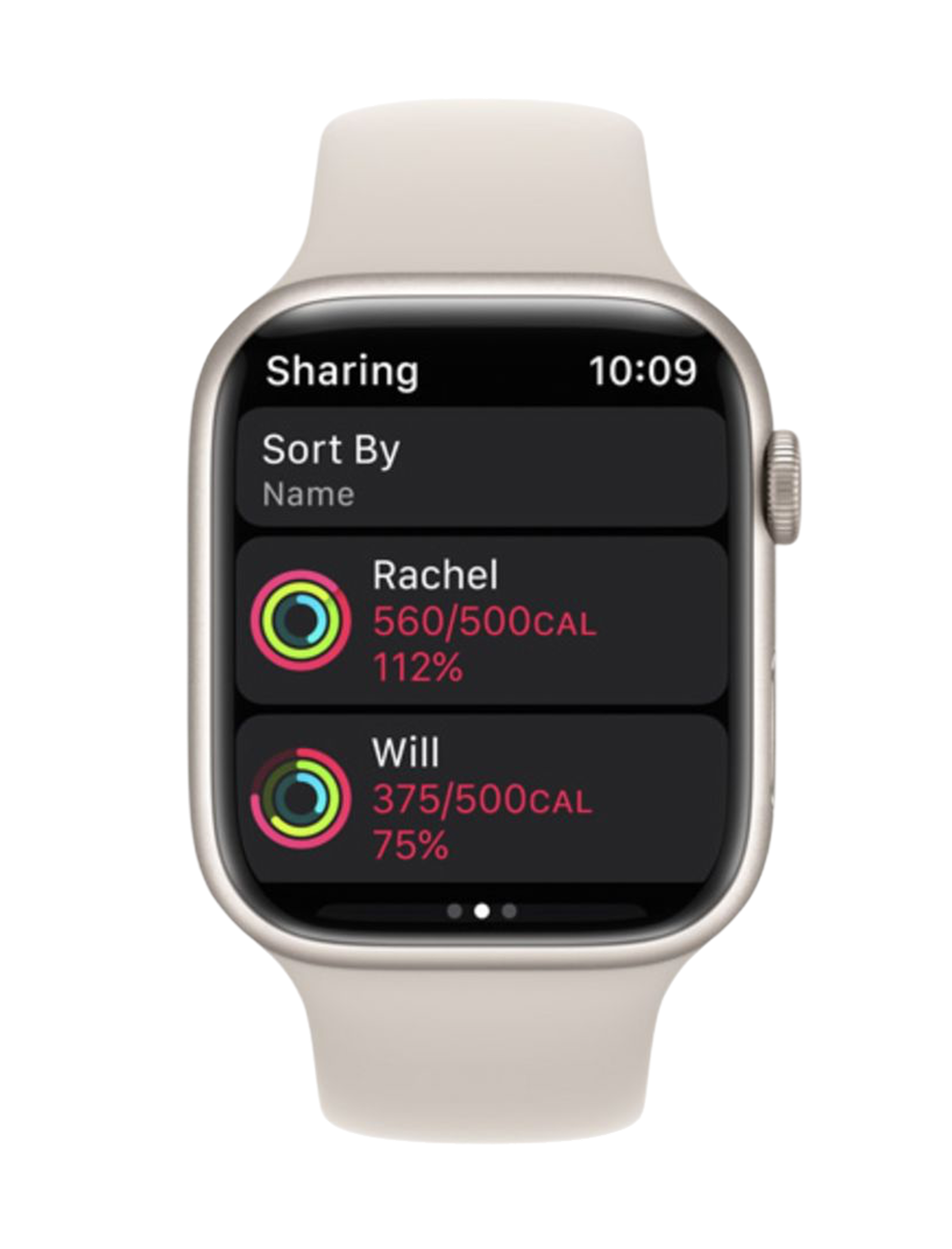
Apple Watch activity tracking reference Apple Watch progress visualization reference Apple Watch feedback system reference
Theoretical reference
Apple Watch's activity model was a reference point for how lightweight feedback loops can make effort visible and intrinsically motivating, not through pressure, but through accumulated recognition of what you've done.
Concept validation

Testing the concept in the field

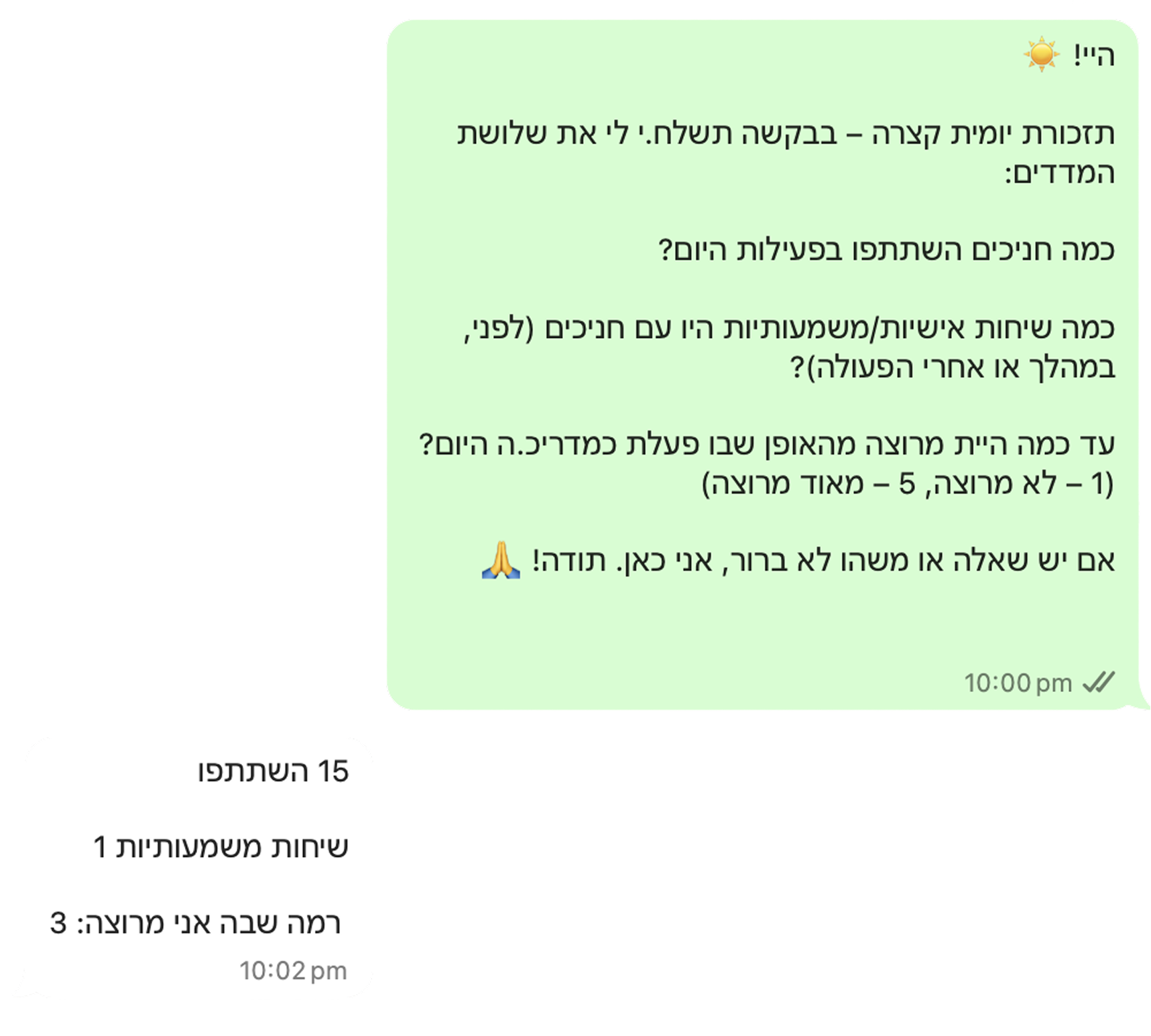
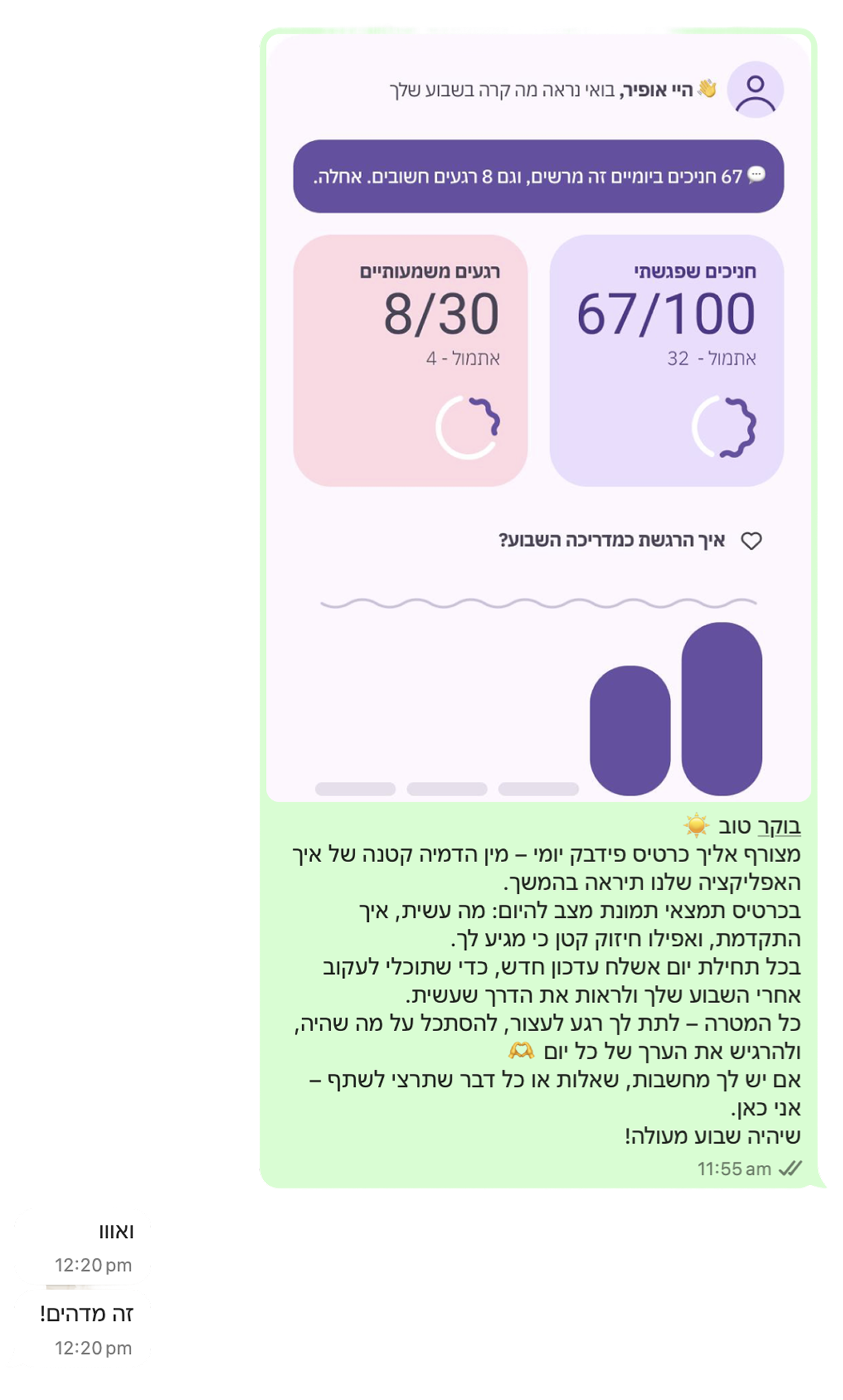
Before designing the full product, I wanted to test whether a lightweight feedback loop could actually change how mentors reflected on their work. I ran a field experiment using WhatsApp messages, asking mentors to define weekly goals and report back daily on a few simple metrics.

Some participants also received a visualized progress view and written feedback. The goal was to see whether visible progress and daily reflection could reinforce motivation, recognition, and a stronger sense of meaning.

The test showed that even simple reflective prompts could shift how mentors interpreted their day-to-day work. It also helped identify which types of measurement felt meaningful rather than bureaucratic, especially around meaningful moments and personal reflection.

Original WhatsApp daily check-in prompt

The prompt. Daily check-in sent via WhatsApp

Mentor daily response with numbers

The response. Mentor reports back with simple daily numbers

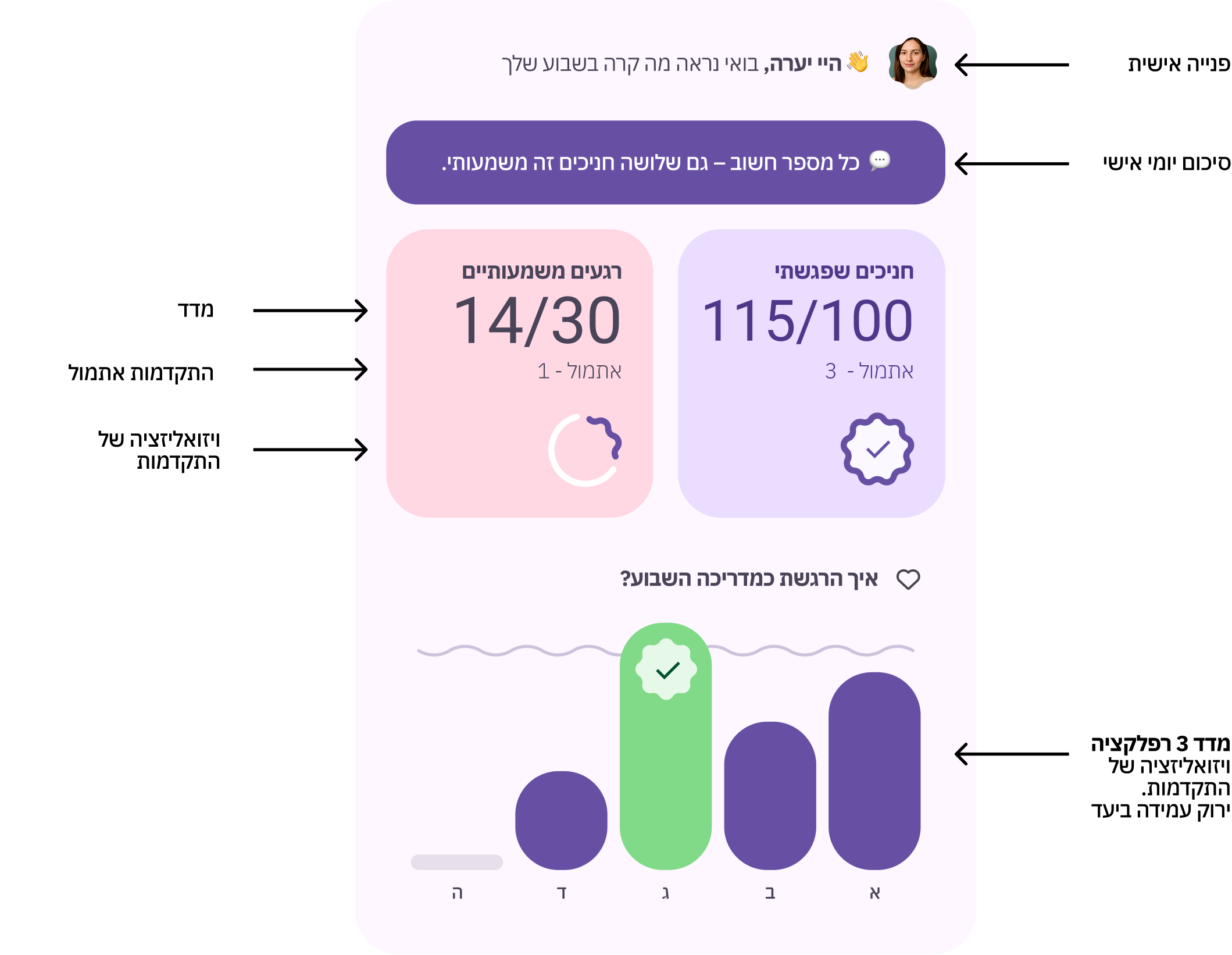
Baloop feedback screen, visualized progress

The feedback. Inputs visualized as progress and reflective feedback

participant reflection

"I didn't think I could meet more than 100 people in a week. Wow, that's crazy."

participant reflection

"I had never thought of personal conversations as a metric. That actually felt good."

participant reflection

"It made me think about who I spent extra time with, and understand the meaning of that conversation."

Product design

Designing Baloop

Baloop emerged from the research and the concept test as a support system for youth mentors, not a tool to replace the human side of mentoring, but a digital layer that could strengthen reflection, motivation, and continuity around it. The product is built around the natural rhythm of the mentoring year.

Stage 01

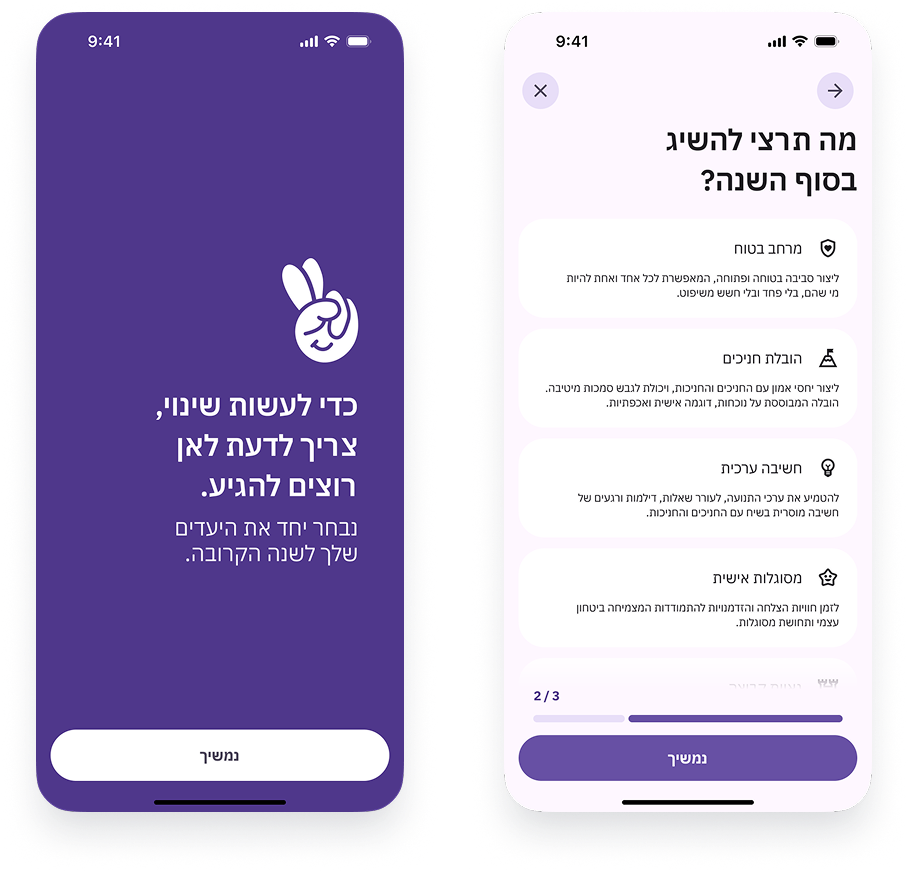
Beginning of the year

At the start of the year, mentors need intention, structure, and a sense of commitment. Setting goals early creates anchors they can return to, and is the foundation for everything that follows.

What happens in the product

Mentors define personal goals for the year, select the metrics most meaningful to them, and write a letter to themselves, a personal note they'll read again at the end of the year. This stage turns vague intentions into something recorded and returnable.

The letter is one of the more unusual elements. It asks mentors to capture what they hope for, what they're uncertain about, and what kind of mentor they want to become. It's not evaluated or shared. It's a private anchor.

Curiosity
Group Pride
Safe Space
Self-Efficacy
Self-Expression
Space to Experiment
Values-Based Thinking
Youth Leadership
Beginning of the year, Baloop screens

Mentors begin by setting intentions, choosing their most meaningful metrics, and writing a letter to themselves for later reflection.

Stage 02

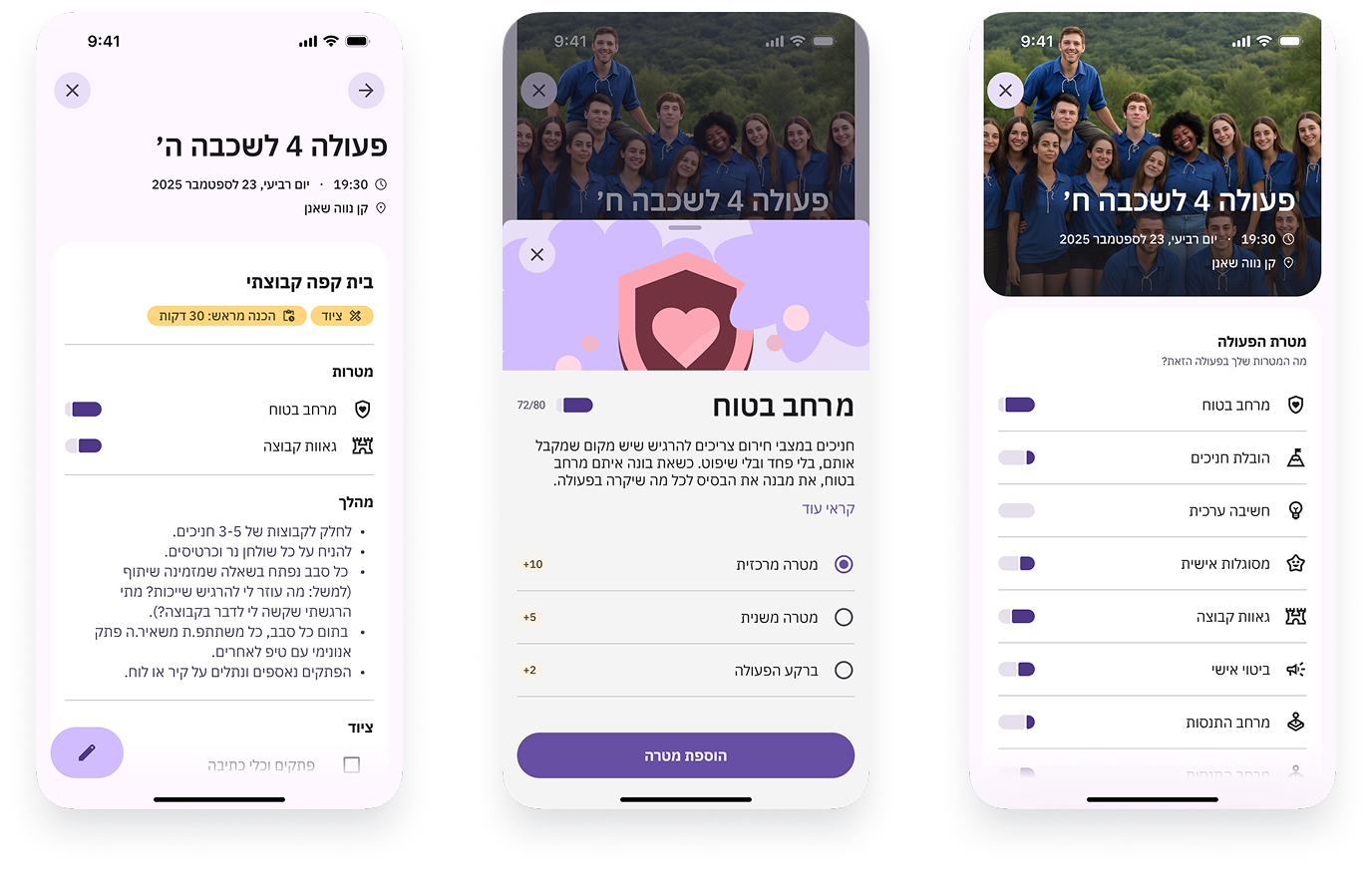
Before an activity

Before each activity, mentors are translating broad values into practical action. This is the moment where intention can most directly shape what happens in the room.

What happens in the product

Mentors select the goals most relevant to today's activity, check where they stand on their personal metrics, and receive AI-supported guidance for planning an activity aligned with their intentions.

The AI layer is not prescriptive. It responds to what the mentor has chosen to focus on, and suggests approaches rather than scripts. The goal is to reduce the planning friction without replacing the mentor's judgment.

Before an activity, Baloop screens

Before each activity, mentors connect broader goals to concrete action with lightweight planning and AI-supported guidance.

Stage 03

After an activity

This is the moment where exhaustion can erase reflection. Without a pause, the richest moments of the day disappear before they can be recognized or learned from.

What happens in the product

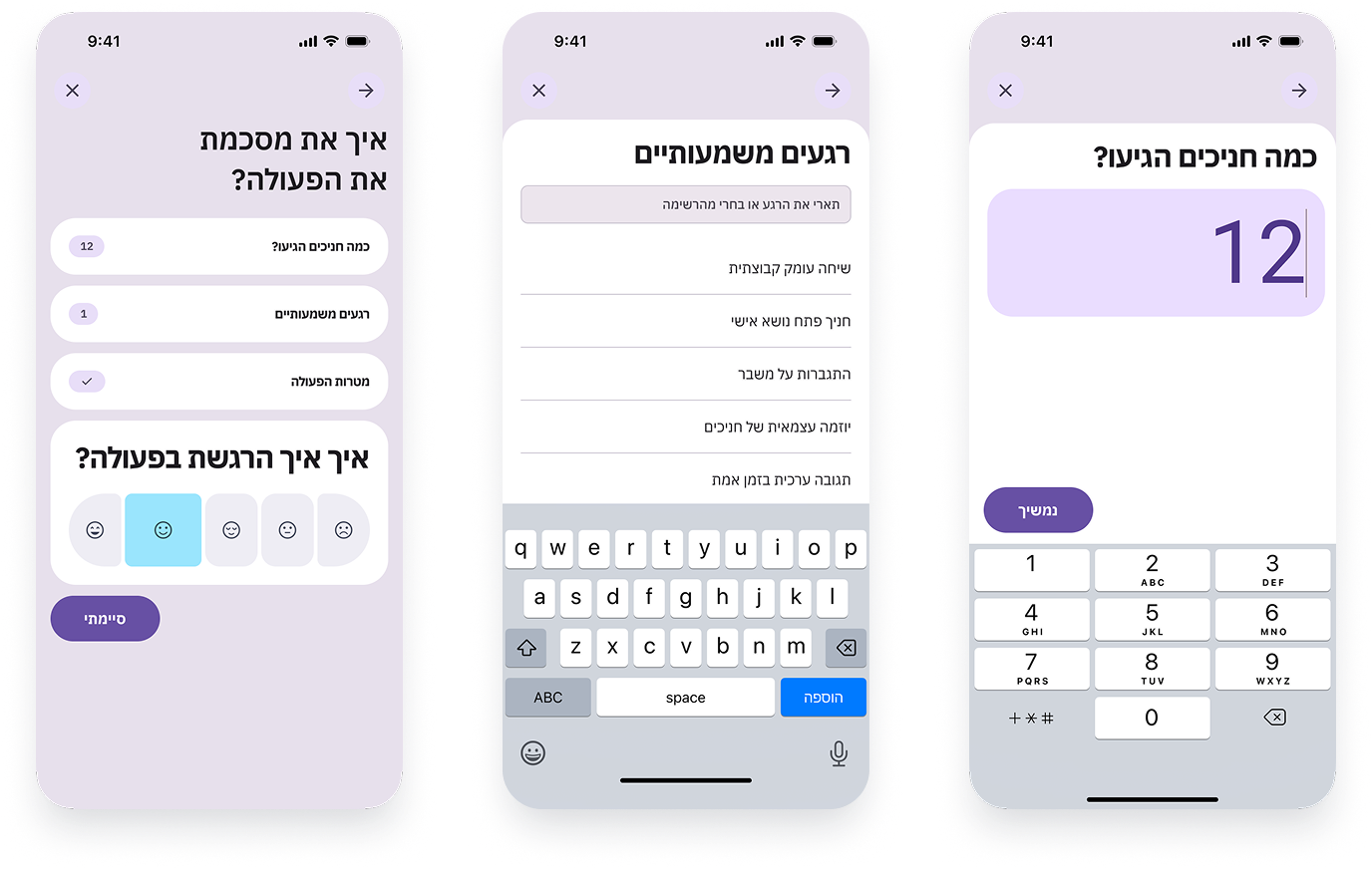
Mentors log attendance, note meaningful moments from the activity, and rate how it felt. The interaction is designed to be lightweight and honest, not a form, but a brief ritual.

The "meaningful moment" field was one of the clearest outcomes of the concept test. When mentors were asked to name one thing that mattered, they consistently found it, and consistently felt better for having been asked. The product formalizes this as a habit.

After an activity, Baloop screens

After each activity, mentors pause to log attendance, capture meaningful moments, and reflect before the day disappears into routine.

Stage 04

End of the year

Meaning often becomes visible in retrospect. This stage helps mentors see what accumulated over a full year, and closes the loop they opened at the beginning.

What happens in the product

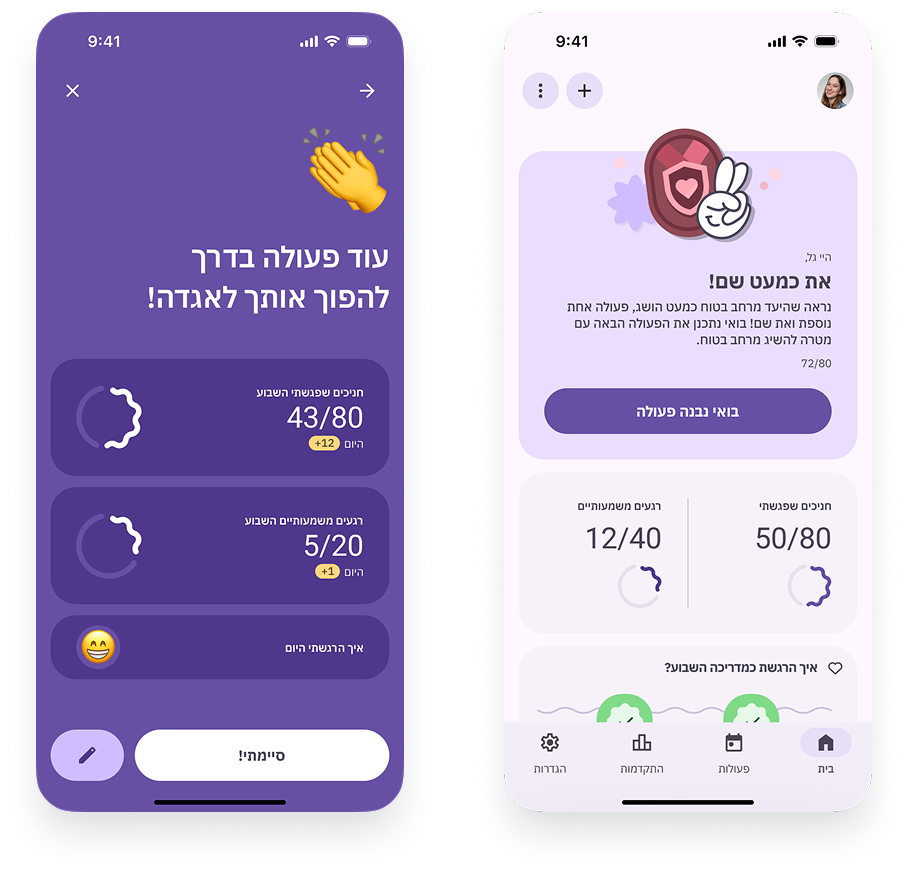
Mentors review their progress against the goals they set, revisit the meaningful moments they collected throughout the year, and read the letter they wrote to themselves at the start.

This last step is the emotional center of the product. The letter creates a before-and-after structure that makes growth legible, not as a metric, but as a lived experience that can now be seen whole.

End of the year, Baloop screens

At the end of the year, mentors can look back on their growth, revisit meaningful moments, and reconnect with the intentions they started with.

Interface adaptation

Designed to reflect each youth movement

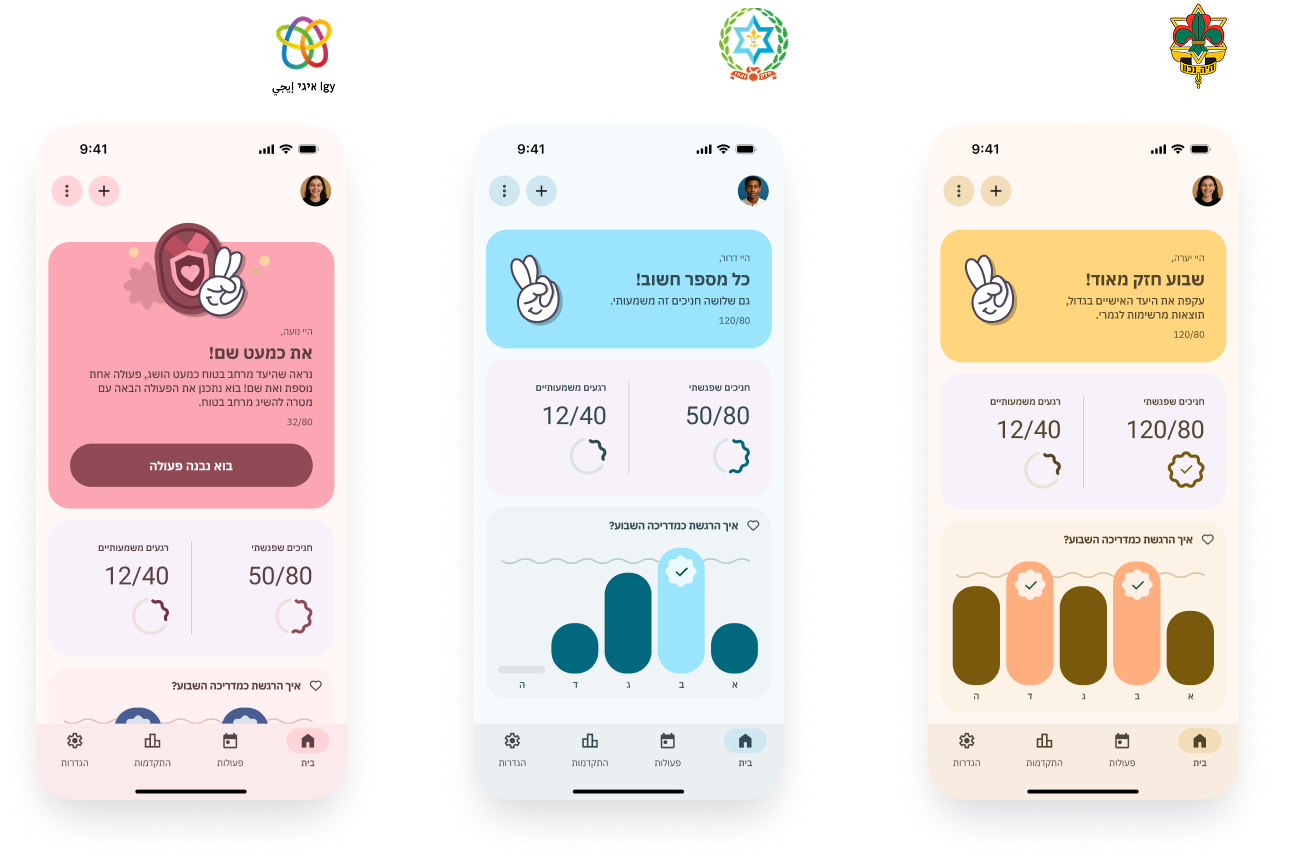
Baloop was designed as a flexible system that could adapt to the visual identity of different youth movements. While the product structure, interactions, and core experience stayed consistent, the color palette shifted to reflect the character of each organization. This allowed the app to feel more familiar and relevant to its users, while preserving one cohesive product language.

Interface adaptation, Baloop across youth movements

The system stays consistent, while the visual language adapts to the identity of different youth movements.

Impact

Why this is bigger than an app

Baloop was never meant to digitize the heart of youth mentoring. The goal was not to replace human connection with a system, but to support the people responsible for sustaining that connection.

What makes this project meaningful to me is that it sits at the intersection of social care, design, and technology. It argues that support systems matter, especially for people whose work is emotional, relational, and often invisible. In that sense, the project is not only about mentors. It is about what kinds of infrastructures we build for the people holding communities together.

The research showed that what mentors needed most was not better tools for their participants. It was a space to be seen, supported, and reminded of why the work matters. That's a design problem. And design can answer it.

Recognition

Presented beyond the project page

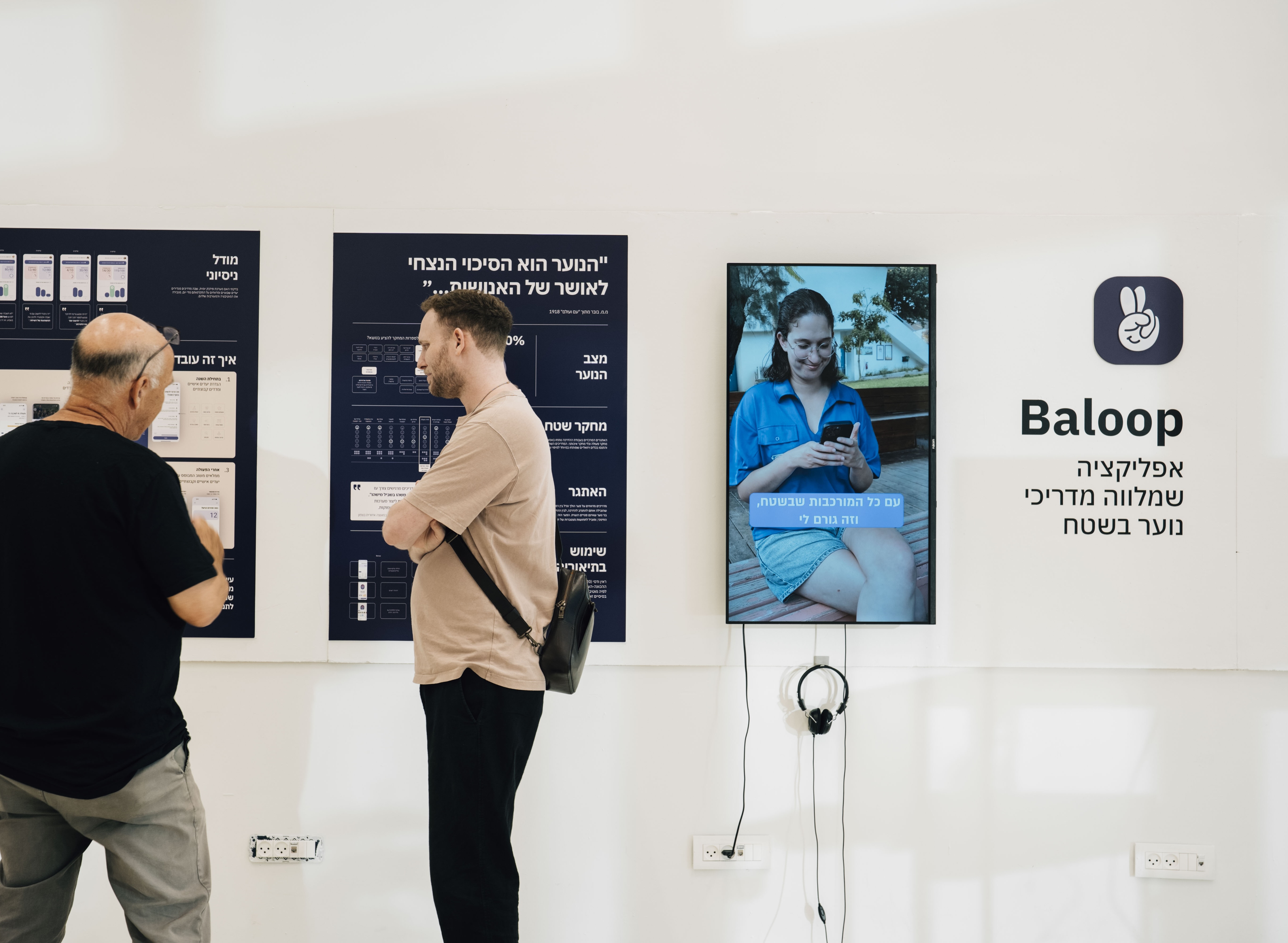
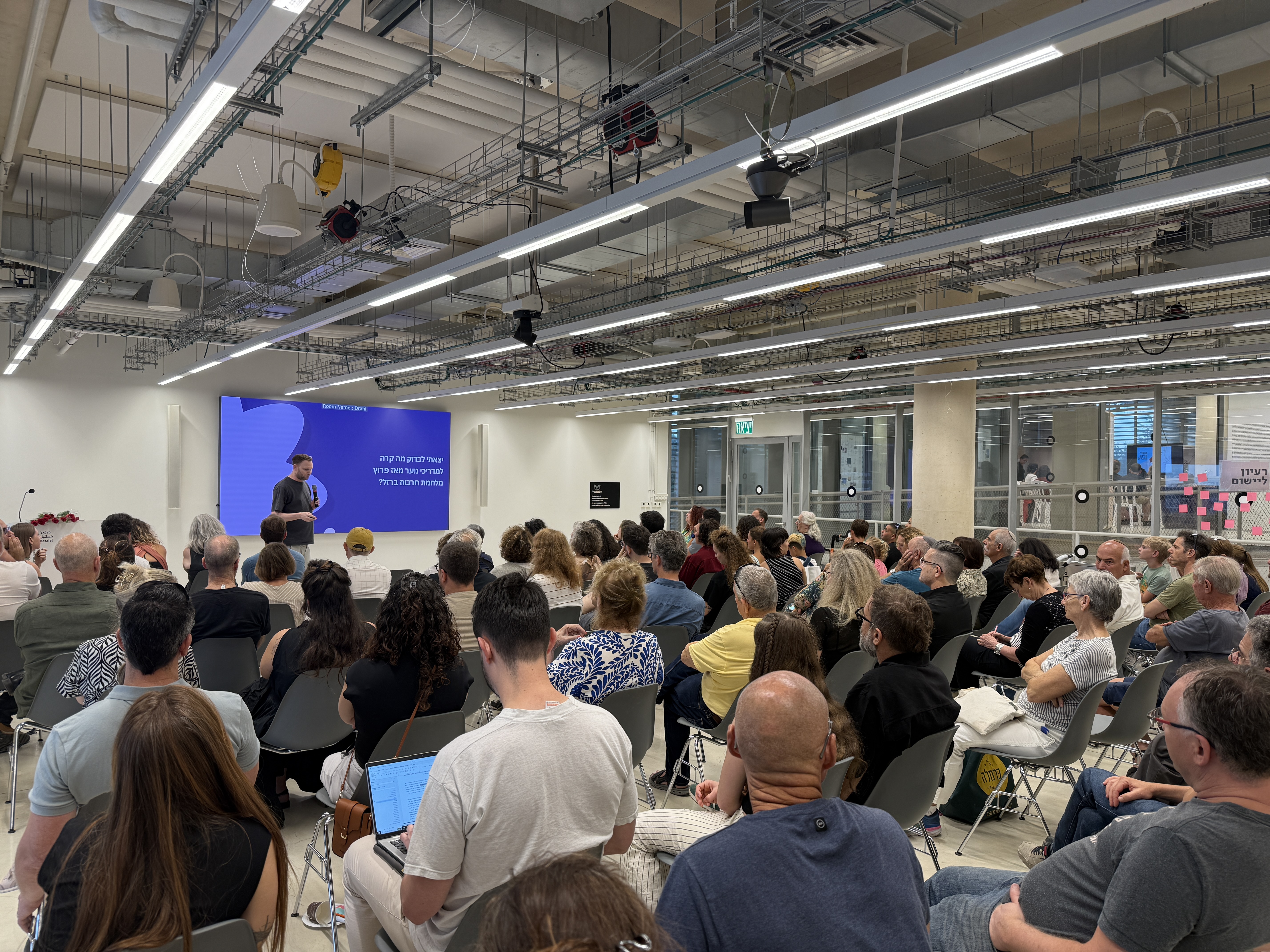
Baloop continued beyond the final project itself. It was presented as part of the Bezalel Graduates Exhibition and later at MINDes, a public event by the Design Management and Innovation track in the Master's Program in Industrial Design at Bezalel. The project was included in the event's first session, which focused on social resilience.

Baloop at the Bezalel Graduates Exhibition

Baloop presented at the Bezalel Graduates Exhibition.

Presenting Baloop at MINDes

Presenting Baloop at MINDes, Bezalel's public event for the 2025 graduating projects in Design Management and Innovation.

Credits
Cinematography, direction & animation
Aviv Zommer
Editing
Yoav Gat
Acting
Gal Engel
Supervised by
Hadas Zemer Ben-Ari
Bezalel Academy of Arts and Design
Master's Program in Industrial Design,
Design Management and Innovation track
July 2025

Bezalel Academy of Arts and Design, Jerusalem